Speech, Language and Communication Sciences
Bachelor of Science

The Speech, Language, and Communication Sciences program (SLCS) trains students in basic knowledge of the physiological and cognitive bases for human interpersonal communication, including typical and non-typical speech, language, hearing and swallowing, as well as causes and treatments for various communication difficulties, and alternative communication modalities.
Fall
- SLCS 111: Intro to Speech, Language and Communicative Behavior............ 3cr.
- ENGL 101: English Composition or ENGL 115: Rhetoric............ 3cr.
- PSYC 101: General Psychology............ 3cr.
- Mathematical Perspectives Elective............ 3cr.
- THEO 111: Theological Foundations............ 3cr.
Spring
- SLCS 150: Anatomy & Physiology of Communication / lab............ 3cr.
- SLCS 231: Speech & Language Development............ 3cr.
- PHIL 100: Intro to Ethics............ 3cr.
- CORE 100: First Year Seminar............ 3cr.
- Historical Foundations............ 3cr.
Fall
- SLCS 221: Physics of Sound for Communication ............ 3cr.
- ASLN 101: Elementary American Sign Language I............ 3cr.
- MATH 116: Elementary Statistics or MATH 156: General Statistics............ 3cr.
- ENGL 205: Literature & the Moral Imagination............ 3cr.
- Scientific Explorations or Elective............ 3cr.
Spring
- SLCS 241: Phonetics & Phonology / lab ............ 3cr.
- SLCS 299: Second-Year Seminar in SLCS (Experiential Learning)............ 3cr.
- ALSN 102: Elementary American Sign Language II............ 3cr.
- Humanities Integrations............ 3cr.
- Social Sciences Integrations............ 3cr.
Fall
- SLCS 321: Acoustics and Instrumentation ............ 3cr.
- SLCS 352: Neuroscience for Communication ............ 3cr.
- SLCS 471: Multicultural Issues in SLCS ............ 3cr.
- ASLN 201: Intermediate American Sign Language I............ 3cr.
- ASLN 290: Deafness Origins and Orientation............ 3cr.
Spring
- SLCS 331: Speech and Language Disorders............ 3cr.
- SLCS 399: Third-Year Seminar in SLCS............ 3cr.
- ASLN 202: Intermediate American Sign Language II............ 3cr.
- ASLN 291: Deafness Culture and Community or General Elective............ 3cr.
- Theological Explorations............ 3cr.
Fall
- SLCS 460: Research in SLCS............ 3cr.
- SLCS 480: Clinical Methods in Communication Sciences and Disorders............ 3cr.
- SLCS 499: Senior Seminar in SLCS (includes guided observation hours)............ 3cr.
- E/RS flag............ 3cr.
- Philosophical Explorations............ 3cr.
Spring
- SLCS 490: Fieldwork in SLCS (optional elective)............ 3cr.
- Solidarity and Kinship Flag Elective or General Elective............ 3cr.
- SLCB Elective............ 3cr.
- Creative Explorations............ 3cr.
- General Elective............ 3cr.
- General Elective............ 3cr.
The sample course sequence above illustrates class offerings for the Speech, Language and Communicative Behavior major. Consult the official Xavier University course catalog for detailed registration and advising information.
High Medical School Acceptance Rate
Xavier students have a high acceptance rate to medical schools, with a 5-year average of 81% compared to the national average of 40%.
Career Preparation
Xavier's Career Development Office assists students in their search for employment by offering individual career counseling sessions, conducting workshop series on interviewing and resume writing techniques and maintaining an educational, vocational and employer information resource center.
Origins and Orientation (ASLN 290)
Learn about the evolution of Deaf culture, in particular to major concepts about and issues facing the Deaf community, and to psychological and social aspects of Deafness
Culture and Community (ASLN 291)
Students will hone their knowledge of sign language acquisition, behavioral norms, values and traditions of the Deaf.
Speech & Hearing Sciences (SLCS 321)
The physical characteristics of speech sounds and psychophysical processes involved in speech and hearing
Phonetics & Phonology (SLCS 241)
Sound structure of the English language, beginning and advanced transcription using international phonetic alphabet with clinical applications
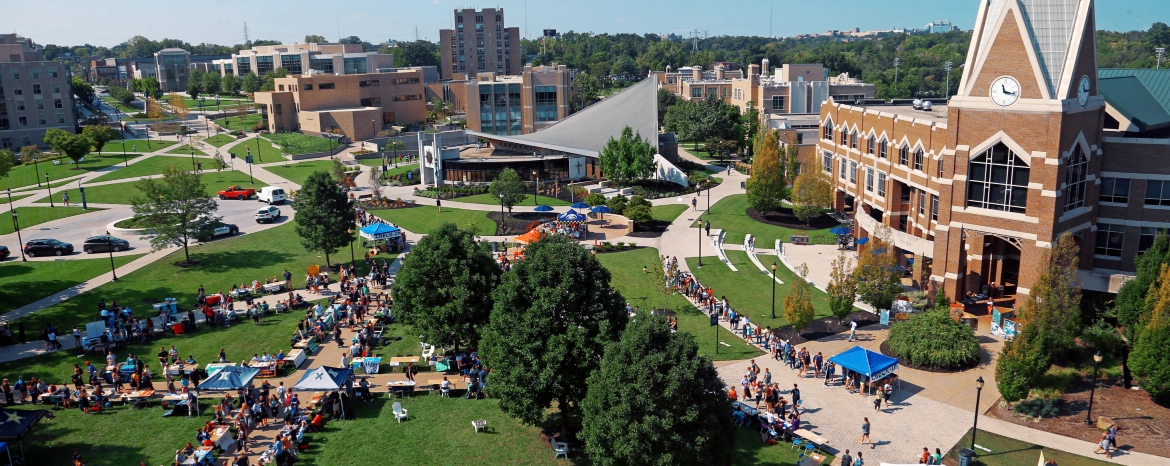
There’s nothing like experiencing campus for yourself. Schedule a visit and earn a $1,000 grant.*
Why Xavier's SLCS Major?
We offer a hands-on clinical pathway that transitions you from community service to supervised practice, allowing you to build skills while accruing clinical hours toward professional certification.
Coursework for this program includes coverage of anatomy, neurophysiology, acoustics, phonetics, linguistics, and advanced topics in speech and hearing science.
Join Xavier’s Sign Language Club, one of 150+ clubs and student organizations on campus. This group meets monthly and serves students interested in American Sign Language.
Small classes allow you to get the attention you need to succeed and learn, and to form relationships with professors that can lead to research and work opportunities.
Connect with mentors who can provide insights into various career paths within healthcare, education, and other fields that align with a Speech, Language and Communicative Behavior degree.
The University Scholars Honors Program offers students in the SLCS major a more challenging curriculum and close support from professors while completing their undergraduate degree. Acceptance into the program is highly selective.
SLCS Major FAQs
Learn more about Xavier's Speech, Language and Communication Sciences program.Speech Language and Communication Sciences is the study of how people communicate across the lifespan and what happens when communication breaks down.
Students learn the science of speech, language, and hearing, including the biological, neurological, cognitive, and social aspects of communication. The program prepares students to support individuals with communication differences in clinical, educational, and community settings.
Students participate in an undergraduate experiential learning and clinical sequence that begins early in the program.
This includes:
- Service learning and community engagement
- Clinical observation
- Guided, hands-on learning experiences
- Supervised clinical practice
These experiences help students understand the field and build skills before entering graduate school.
Most students pursue graduate study in communication sciences and disorders or related fields. Common pathways include:
Graduate-level careers:
- Speech-Language Pathology
- Audiology
- Special Education
- Occupational Therapy
Careers with a bachelor’s degree:
- Speech-language pathology assistant
- Rehabilitation aide
- Disability services professional
- Research assistant
- Deaf and hard of hearing services
- Community-based roles in education and healthcare
Yes. Graduate study is required to become a licensed speech-language pathologist or audiologist.
The SLCS program at Xavier is intentionally designed to prepare students for this next step through strong academic preparation, experiential learning, and faculty mentorship.
Xavier plans to launch its graduate program in Speech-Language Pathology in Fall 2031. Students in the SLCS major will be well prepared to apply to graduate programs at Xavier or other institutions.
Xavier’s program emphasizes:
- Early and meaningful experiential learning
- Strong preparation for graduate school
- Small classes and close faculty mentorship
- Service and community engagement
- A supportive, student-centered environment
Students gain a clear understanding of the profession while developing the skills needed for future success.
Yes. Exploration is encouraged.
Several SLCS courses count toward Xavier Core requirements, so students can explore the major while making progress toward graduation. The introductory SLCS course is a great overview of speech-language pathology, audiology, and related professions, and students can take it as early as their first semester.
This early exposure helps students understand the field and make informed decisions about their academic and career path.
Located in Cincinnati, Ohio
Cincinnati, Ohio is a city made for exploration. With parks, bike trails, and scenic riverbanks, there's more than just your dorm room to call home.
Speech, Language and Communicative Behavior Program at Xavier University
The Bachelor of Science in Speech, Language and Communicative Behavior program trains students in basic knowledge of the physiological and cognitive bases for human interpersonal communication, including typical and non-typical spoken language, as well as causes and treatments for various communication difficulties, and alternative communication modalities. Coursework includes coverage of anatomy, neurophysiology, acoustics, phonetics, linguistics, and advanced topics in speech and hearing science.
Xavier University's College of Health and Human Sciences prepares undergraduate and graduate students intellectually, morally and spiritually for careers and professions of service. CHHS challenges students to strive for academic excellence and life-long learning through promoting collaboration and community partnerships, and incorporating research, scholarship and innovation.
Xavier University is a private university located in Cincinnati, Ohio, providing a liberal arts education in the Jesuit Catholic tradition. Founded in 1831, the University is the sixth-oldest Catholic university in the nation. It has been ranked among the top 10 master's-level universities in the Midwest by U.S. News & World Report for the past two decades. The Princeton Review names it one of the "Best 385 Colleges in America."