Social Work
Bachelor of Social Work

Xavier University's social work program prepares you to become a skilled, compassionate and ethical professional ready to empower individuals, families and communities. You'll gain the knowledge and practical experience to address complex social issues, advocate for vulnerable populations and foster positive change.
Fall
- SOCW 167: Survey of Society in SW............ 3cr.
- Second Language I............ 3cr.
- ENGL 101: English Composition or ENGL 115: Rhetoric............ 3cr.
- PHIL 100: Ethics as Intro to Philosophy............ 3cr.
- CORE 100 First-Year Seminar............ 3cr.
- CORE 101: First-Year Co-Curriculum Program I............ 0cr.
Spring
- PSYC 101: General Psychology or SOCI 101: Intro to Sociology............ 3cr.
- Second Language II............ 3cr.
- Historical Perspectives............ 3cr.
- THEO 111: Theological Foundations ............ 3cr.
- Creative Perspectives Elective............ 3cr.
- CORE 102: First-Year Co-Curriculum Program II............ 0cr.
Fall
- SOCW 299: Child Welfare & Development............ 3cr.
- SOCW 206: Intro to Diversity & Intersectionality............ 3cr.
- ENGL 205: Literature & Moral Imagination............ 3cr.
- PHIL 200: Philosophical Perspective............ 3cr.
- BIOL 102: Human Biology or BIOL 106: Biology of Aging............ 2cr.
- BIOL 103: Human Biology Lab or BIOL 107: Biology of Aging Lab............ 1cr.
Spring
- SOCW 300: Adolescence-Older Adulthood............ 3cr.
- Humanities Elective............ 3cr.
- SOCW 208: Economics of Society............ 3cr.
- Oral Communications Flag............ 3cr.
- Social Work Elective 1............ 2cr.
Fall
- PSYCH 101: General Psychology or SOCI 101: Intro to Sociology............ 3cr.
- SOCIAL WORK 392 Practice I: Individuals............ 3cr.
- SOCW 315: Values, Human Rights, Advocacy ............ 3cr.
- SOCW 321: Communication Skills for Diverse Clients............ 3cr.
- Social Work Elective 2............ 3cr.
Spring
- General Elective............ 3cr.
- SOCW 316: Social Policy ............ 3cr.
- MATH 116: Elementary Statistics or MATH 156: General Statistics............ 3cr.
- SOCW 393: Practice II: Groups............ 3cr.
- SOCW 318: Race Relations............ 3cr.
Fall
- SOCW 394: Practice III: Communities & Organizations ............ 3cr.
- SOCW 417: Social Work Practicum ............ 3cr.
- SOCW 419: Social Work Seminar............ 3cr.
- SOCW 423: Research Methodology............ 3cr.
- Social Work Elective 3............ 3cr.
Spring
- General Elective ............ 3cr.
- SOCW 418: Social Work Practicum............ 3cr.
- SOCW 420: Social Work Seminar............ 3cr.
- SOCW 425: Applied Research Methods............ 3cr.
- SOCW 404: Religion, Ethics and Prof Practice............ 3cr.
The sample course sequence above illustrates class offerings for the Social Work major. Consult the official Xavier University course catalog for detailed registration and advising information.
Alumni Employers
- American Red Cross
- Catholic Charities
- Cincinnati Children's Hospital
- Cincinnati Public Schools
- Child Focus
- Council on Aging of Southwestern Ohio (COA)
- Dress for Success Cincinnati
- Greater Cincinnati Behavioral Health Services
- Greater Cincinnati Coalition for the Homeless
- GirlForward
- Hamilton County Jobs and Family Services
- Jesuit Volunteer Corps
- Lighthouse Youth Services
- Talbert House
Survey of Society Social Work (SOCW 167)
This course offers an introduction to the profession of social work as well as social welfare. Students learn about social work's history, practice settings and career paths. Today's social issues are examined using an advocacy framework with a focus on economic and social justice, a supportive environment, human needs and rights, and political access.
Intro to Gender & Diversity (SOCW 206)
This course is designed to help students develop a critical framework for analyzing and exploring the nature of social diversity, including privilege and oppression, with respect to race, ethnicity, gender, sexual orientation, socioeconomic class, age, religion and mental/physical abilities. It provides tools for ethical analysis of questions relating to the individual and collective experience of disenfranchisement as well as resiliency in society. Students will be introduced to interdisciplinary scholarship that examines oppression and privilege through the lens of society's social institutions.
Child Welfare and Development (SOCW 299)
This course provides the student knowledge of human development in the social environment from conception, fetal development, birth, infancy, early childhood, and middle childhood. Foundational theories and concepts are presented. Students will learn about child maltreatment and the child welfare system. This course is appropriate for many disciplines, especially in health related disciplines.
Values, Poverty and Society (SOCW 315)
This course is designed to offer students basic knowledge and understanding of the overall concept of social welfare as it relates to the collective well-being of all in our society. The social institution of social welfare, and how its services and systems are implemented in various nations, is examined and analyzed. Theories of power, privilege, and poverty are examined as they relate to the evolution of social welfare policies and programs.
Student Social Work Organization (SSWO)
Student Social Work Organization (SSWO) was founded in 2007. Since then, they’ve held events like the Violence Awareness Panel, Coats, Cash & Can Drive, and participated in Take Back the Night.
Phi Alpha
Phi Alpha is Xavier's chapter of the National Social Work Honor Society, founded in 2011. To join, you need a 3.0 GPA overall and a 3.25 in social work courses. Phi Alpha works with SSWO to offer service, social events and other opportunities for social work majors.
Alternative Breaks
Xavier's Alternative Breaks program works on site with local, national and international organizations focused on social justice issues like immigration, urban sustainability and mountaintop removal. Students travel to more than 15 places, including Catalina Island, California and the Pine Ridge Indian Reservation in South Dakota during fall and spring breaks.
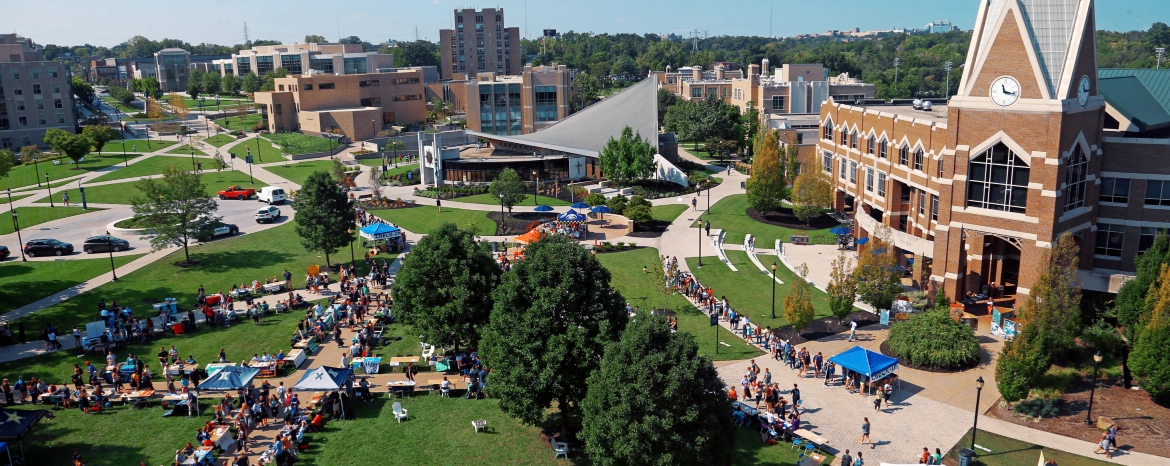
There’s nothing like experiencing campus for yourself. Schedule a visit and earn a $1,000 grant.*
Program Features
Gain extensive hands-on experience through required field placements in diverse settings. You'll apply classroom learning while working directly with clients under the supervision of an experienced social worker.
Areas of expertise/scholarship include gender and diversity studies, child abuse, eating disorders, addictions, domestic and sexual abuse, ethics, gerontology and spirituality.
Experience a curriculum that integrates faith, social justice and academic rigor, emphasizing ethical decision-making and a commitment to serving marginalized communities.
Our program is fully accredited by the Council on Social Work Education (CSWE), ensuring you receive a high-quality education that meets national standards and prepares you for licensure.
Alumni Making an Impact

"The BSW program was an incredibly rewarding experience, thanks to the small, close-knit cohort that gave me ample opportunities to connect deeply with both my professors and classmates."

Jessica is a medical social worker and author of "100+ Social Work Supervision Topics", a guide for social workers.

"Xavier provided me with a solid foundation to grow my career. Doctors Carolyn Jenkins and Dennis Long had a memorable and profound impact on my learning experience."
See what Natalie loves most about the Xavier community, Cincinnati and the social work major.
Located in Cincinnati, a vibrant city with diverse social service agencies, Xavier offers unparalleled opportunities for internships, networking, and post-graduation employment in a wide range of settings.
FAQ
A social work degree opens doors to a wide range of fulfilling careers that allow you to make a positive impact on individuals, families and communities. With a strong foundation in human behavior, social systems, and problem-solving, social work graduates are equipped to address complex challenges and promote well-being.
- Clinical Social Worker: Provides mental health therapy and counseling services to individuals, families, and groups.
- School Social Worker: Supports students' social and emotional development, collaborates with teachers and parents, and addresses issues impacting students' academic success.
- Child and Family Social Worker: Investigates reports of child abuse and neglect, provides case management services, and works to reunify families or find alternative placements for children.
- Medical Social Worker: Collaborates with healthcare teams to address patients' psychosocial needs, coordinate discharge planning, and provide crisis intervention.
- Substance Abuse Counselor: Offers counseling and therapy to individuals struggling with addiction, develops treatment plans, and assists clients in achieving sobriety.
- Case Manager: Coordinates services for individuals with complex needs, such as housing, healthcare, and employment, to help them achieve self-sufficiency.
- Social and Community Services Manager: Oversees social service programs, develops budgets, and supervises staff.
- Gerontology Social Worker: Provides support and advocacy for older adults, addressing issues related to aging, healthcare, and end-of-life care.
- Military Social Worker: Offers counseling and support to military personnel, veterans, and their families, addressing issues such as trauma, deployment stress, and transition to civilian life.
- Adoption Social Worker: Provides support and guidance to adoptive families, facilitates the adoption process, and ensures the well-being of children.
The specific licensure requirements for social workers vary by state. However, generally, you'll need a Bachelor of Social Work (BSW) or a Master of Social Work (MSW) degree from a Council on Social Work Education (CSWE)-accredited program (like our’s!). After completing your degree, you'll typically need to pass a licensing exam and meet any additional state-specific requirements to obtain a social work license.
It's important to check the licensing board in the state where you plan to practice for exact details. In many states, including Ohio, students graduating with a BSW can take the licensure exam in spring of their senior year to prepare for employment opportunities.
Yes, Xavier University’s BSW (Bachelor of Social Work) is accredited by the Council on Social Work Education (CSWE). Our Bachelor of Social work has been accredited for more than 40 years and is one of the oldest in the nation. Read more about specialized accreditations at Xavier.
The University Scholars Honors Program offers incoming students a more challenging curriculum and close support from professors while completing their undergraduate degree. Acceptance into the program is highly selective and includes a $2000 travel grant. Learn more about the University Scholars Honors Program.
Social Work Program at Xavier University
Social Work at Xavier is a four-year undergraduate program grounded in the liberal arts which grants the student a Bachelor of Social Work (BSW) degree and has been accredited continuously for over 35 years by the Council on Social Work Education. For those with a strong desire to promote social justice and improve the collective well-being of individuals, families, groups, organizations, and communities, social work is a profession with both educational and licensure requirements. Social workers are licensed professionals helping both individual people and society with complex interpersonal and social problems.
Xavier University's College of Professional Sciences prepares undergraduate and graduate students intellectually, morally and spiritually for careers and professions of service. CPS challenges students to strive for academic excellence and life-long learning through promoting collaboration and community partnerships, and incorporating research, scholarship and innovation.
Xavier University is a private university located in Cincinnati, Ohio, providing a liberal arts education in the Jesuit Catholic tradition. Founded in 1831, the University is the sixth-oldest Catholic university in the nation. It has been ranked among the top 10 master's-level universities in the Midwest by U.S. News & World Report for the past two decades. The Princeton Review names it one of the "Best 385 Colleges in America."