Pharmaceutical Science
Bachelor of Science

The three tracks differ in allowing students to pursue other options after graduation:
- The Chemistry Track will be suitable for a student who desire to enter the workforce in the pharmaceutical industry, or to pursue graduate studies in Medicinal Chemistry and related fields
- The Biology Track is for students who wishing to do graduate work in Pharmacology or Toxicology
- The Business Track is for students who would prefer to be in pharmaceutical sales.
First Year
Fall
- CHEM 160: General Chemistry 1 (3)
- CHEM 161: General Chemistry 1 Lab (1)
- CHEM 180: Intro. to Chem. Enterprise (1)
- BIOL 160: General Biology I (3)
- BIOL 161: General Biology I Lab (1)
- CORE 100 1st Year Seminar OR THEO 111 (3)
- ENGL 101 Engl Comp OR ENGL 115 Rhetoric (3)
- CORE 101: GOA (0)
Spring
- CHEM 162: General Chemistry 2 (3)
- CHEM 163: General Chemistry 2 Lab (1)
- MATH 140: Concepts of Calculus (3)
- CORE 100 1st Year Seminar OR THEO 111 (3)
- PHIL 100: Ethics as Intro (3)
- Historical Perspectives Elective (3)
- CORE 102: GOA (0)
Sophomore Year
Fall
- CHEM 240: Organic Chemistry 1 (3)
- CHEM 241: Organic Chemistry 1 Lab (1)
- PHYS 160: College Physics I (3)
- PHYS 161: Introductory Physics Lab I (1)
- Elective Course (3)
- Second Language I (3)
Spring
- CHEM 242: Organic Chemistry 2 (3)
- CHEM 243: Organic Chemistry 2 Lab (1)
- PHYS 162: College Physics II (3)
- PHYS 163: Introductory Physics Lab II (1)
- CHEM 226: Quantitative Analysis (3)
- CHEM 227: Quantitative Analysis Lab (1)
- Second Language II (3)
Junior Year
Fall
- CHEM 220: Principles of Physical Chemistry (3)
- CHEM 340: Instrumental Analysis (3)
- BIOL 140: Anat. & Phys. 1 (3)
- BIOL 141: Anat. & Phys. Lab 1 (1)
- ENG 205: Lit & the Moral Imagination (3)
- PHIL 200: Philosophical Perspectives Elective (3)
Spring
- CHEM 440: Biochemistry (3)
- CHEM 341: Instrumental Analysis Lab (1)
- BIOL 142: Anat. & Phys. 2 (3)
- BIOL 143: Anat. & Phys. Lab 2 (1)
- SOCI 101: Introduction to Sociology (3)
- MATH 146: Biostatistics (3)
Senior Year
Fall
- CHEM 400: Research (1)
- CHEM 250: Quality Science Regulations (3)
- CHEM 450: Topics in Organic Chemistry (3)
- BIOL 310: Foundations of Pharmacology (3)
- Creative Perspectives Elective (3)
- Theological Perspectives Elective (E/RS) (3)
Spring
- CHEM 400: Research (1)
- CHEM 435: Medicinal Chemistry (3)
- BIOL 200: Microbiology (3)
- BIOL 201: Microbiology Lab (1)
- PSYC 101: General Psychology (3)
- Humanities Elective (3)
First Year
Fall
- CHEM 160: General Chemistry 1 (3)
- CHEM 161: General Chemistry 1 Lab (1)
- CHEM 180: Intro. to Chem. Enterprise (1)
- BIOL 160: General Biology I (3)
- BIOL 161: General Biology I Lab (1)
- CORE 100 1st Year Seminar OR THEO 111 (3)
- ENGL 101 Engl Comp OR ENGL 115 Rhetoric (3)
- CORE 101: GOA (0)
Spring
- CHEM 162: General Chemistry 2 (3)
- CHEM 163: General Chemistry 2 Lab (1)
- BIOL 162: General Biology II* (3)
- BIOL 163: General Biology Lab II* (1)
- CORE 100 1st Year Seminar OR THEO 111 (3)
- PHIL 100: Ethics as Intro (3)
- CORE 102: GOA (0)
Sophomore Year
Fall
- CHEM 240: Organic Chemistry 1 (3)
- CHEM 241: Organic Chemistry 1 Lab (1)
- PHYS 160: College Physics I (3)
- PHYS 161: Introductory Physics Lab I (1)
- MATH 140: Concepts of Calculus (3)
- Second Language I (3)
Spring
- CHEM 242: Organic Chemistry 2 (3)
- CHEM 243: Organic Chemistry 2 Lab (1)
- BIOL 230: Genetics (3)
- BIOL 231: Genetics Lab (1)
- General Elective (3)
- Second Language II (3)
Junior Year
Fall
- CHEM 220: Principles of Physical Chemistry (3)
- BIOL 140: Anat. & Phys. 1 (3)
- BIOL 141: Anat. & Phys. Lab 1 (1)
- ENG 205: Lit & the Moral Imagination (3)
- SOCI 101: Introduction to Sociology (3)
- Historical Perspectives Elective (3)
Spring
- CHEM 440: Biochemistry (3)
- BIOL 142: Anat. & Phys. 2 (3)
- BIOL 143: Anat. & Phys. Lab 2 (1)
- PHIL 200: Philosophical Perspectives Elective (3)
- Creative Perspectives Elective (3)
- MATH 146: Biostatistics (3)
Senior Year
Fall
- CHEM 400: Research (1)
- CHEM 250: Quality Science Regulations (3)
- BIOL 310: Foundations of Pharmacology (3)
- Biology Electives (5)
- General Elective (3)
Spring
- CHEM 400: Research (1)
- CHEM 435: Medicinal Chemistry (3)
- BIOL 200: Microbiology (3)
- BIOL 201: Microbiology Lab (1)
- PSYC 101: General Psychology (3)
- Humanities Elective (3)
- Theological Perspectives Elective (E/RS) (3)
First Year
Fall
- CHEM 160: General Chemistry 1 (3)
- CHEM 161: General Chemistry 1 Lab (1)
- CHEM 180: Intro. to Chem. Enterprise (1)
- BIOL 160: General Biology I (3)
- BIOL 161: General Biology I Lab (1)
- CORE 100 1st Year Seminar OR THEO 111 (3)
- ENGL 101 Engl Comp OR ENGL 115 Rhetoric (3)
- CORE 101: GOA (0)
Spring
- CHEM 162: General Chemistry 2 (3)
- CHEM 163: General Chemistry 2 Lab (1)
- MATH 140: Concepts of Calculus (3)
- CORE 100 1st Year Seminar OR THEO 111 (3)
- PHIL 100: Ethics as Intro (3)
- Historical Perspectives Elective (3)
- CORE 102: GOA (0)
Sophomore Year
Fall
- CHEM 240: Organic Chemistry 1 (3)
- CHEM 241: Organic Chemistry 1 Lab (1)
- PHYS 160: College Physics I (3)
- PHYS 161: Introductory Physics Lab I (1)
- General Elective (3)
- Second Language I (3)
Spring
- CHEM 242: Organic Chemistry 2 (3)
- CHEM 243: Organic Chemistry 2 Lab (1)
- PHYS 162: College Physics II (3)
- PHYS 163: Introductory Physics Lab II (1)
- ENG 205: Lit & the Moral Imagination (3)
- Second Language II (3)
Junior Year
Fall
- CHEM 250: Quality Science Regulations (3)
- BIOL 140: Anat. & Phys. 1 (3)
- BIOL 141: Anat. & Phys. Lab 1 (1)
- STAT 146: Biostatistics (3)
- ACCT 200: Introductory Financial Acct (3)
- PHIL 200: Philosophical Perspectives Elective (3)
Spring
- CHEM 440: Biochemistry (3)
- BIOL 142: Anat. & Phys. 2 (3)
- BIOL 143: Anat. & Phys. Lab 2 (1)
- FINC 300: Business Finance (3)
- Theological Perspectives Elective (E/RS) (3)
- Historical Perspectives Elective (3)
Senior Year
Fall
- BIOL 310: Foundations of Pharmacology (3)
- ECON 200: Microeconomic Principles (3)
- SOCI 101: Introduction to Sociology (3)
- Theological Perspectives Elective (E/RS) (3)
- Creative Perspectives Elective (3)
Spring
- CHEM 435: Medicinal Chemistry (3)
- BIOL 200: Microbiology (3)
- BIOL 201: Microbiology Lab (1)
- PSYC 101: General Psychology (3)
- Humanities Elective (3)
- BLAW 300 or MGMT 300 or MKTG 300* (3)
High Medical School Acceptance Rate
Xavier students have an exceptional 81% acceptance rate to medical schools (5-year average), compared to 44% nationally.
Success After Graduation
Explore Xavier's Career Outcomes Dashboard to view career outcomes by major.
Top Employers for Chemistry Graduates
AstraZeneca, Cincinnati Children's Hospital, Gravity Diagnostics and SafeWay Pharmacy
Pharmacology (BIOL 310)
This course provides a comprehensive exploration of the study of drugs, covering pharmacodynamics, pharmacokinetics, mechanisms of action and real-world challenges in drug discovery and approval, essential for understanding the interdisciplinary field of pharmacology in biomedical science and industry.
Microbiology (BIOL 200)
This course is a foundational exploration of clinically significant microorganisms, their functions, control mechanisms, impact on disease and interactions with host immune responses.
Medicinal Chemistry (CHEM 435)
This course explores the scientific and economic aspects of medicinal chemistry, covering the discovery, structure-activity relationships, synthesis, and mechanisms of action of various drug classes. Students explore the intricate processes involved in understanding and developing pharmaceutical compounds, examining their effectiveness and economic implications in the realm of medicine.
Alchemyst Club
The Alchemyst Club is a vibrant community for students interested in chemistry and related fields. Members engage in a variety of activities, including academic support, community outreach, professional development and social events. The club also offers opportunities for students to conduct research and present their findings at conferences. Membership is open to all students interested in chemistry, regardless of their major.
Alpha Epsilon Delta (Pre-Med Honor Society)
Alpha Epsilon Delta (AED) is a national pre-health honors organization for juniors and seniors. Their main focus is service to the Cincinnati community, with opportunities to serve at places like the Ronald McDonald House and Cincinnati Children's Hospital.
Minorities in STEM Succeeding Together
Become part of a supportive community dedicated to empowering minority STEM majors. Discover a space where you can thrive, connect with peers and build confidence in your identity while pursuing excellence in STEM.
Pre-Med Student Association
The Pre-Med Student Association is a club for students interested in pursuing a career in the health professions. They offer bimonthly events such as hosting medical school representatives and physicians, providing information about future careers, and collaborating with upperclassmen on the pre-med track.
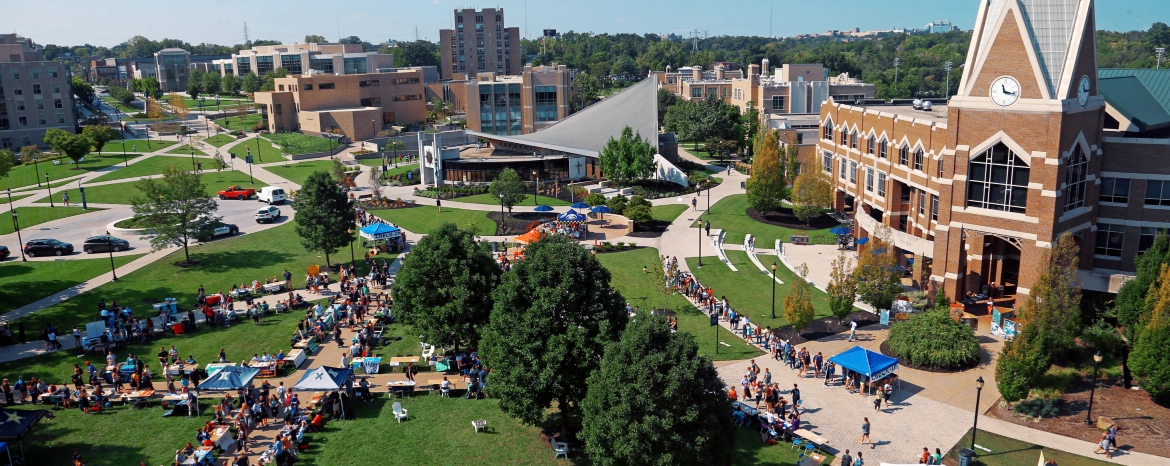
There’s nothing like experiencing campus for yourself. Schedule a visit and earn a $1,000 grant.*
Why Xavier's Pharmaceutical Science Major?
While every track prepares you for Pharm.D. programs nationwide, you can customize your journey by choosing the Chemistry track for industry innovation, the Biology track for advanced research or the Business track for pharmaceutical sales.
Explore pharmaceutical science topics that interest you most with our undergraduate research program. Gain hands-on experience, develop research skills and work alongside expert faculty.
The Xavier Mentor Program connects you with working professionals in the pharmaceutical industry, including pharmacists, drug researchers and developers, ensuring your success beyond a degree.
Beyond the science, you’ll explore the ethical considerations necessary to advance drug discovery, development and delivery in a responsible and beneficial manner.
These four chemistry graduates are making big impacts in science, business and education. Read more about their journeys to success.
Are you a rising 9th-12th grader with a passion for science, technology, engineering or math? Join STEAM@XU for a week-long immersive research experience on the Xavier University campus.
Located in Cincinnati, Ohio
Cincinnati, Ohio is a city made for exploration. With parks, bike trails, and scenic riverbanks, there's more than just your dorm room to call home.
Pharmaceutical Science Program at Xavier University
Xavier University’s College of Arts and Sciences challenges students to develop an integrated understanding of humanity, the world, and God by pursuing the questions raised in Xavier's core and departmental curricula. The College of Arts and Sciences is the oldest and largest college at Xavier University. The college provides an excellent liberal arts education in the Jesuit tradition that prepares students for careers, professional or graduate school, and life in a global society.
Xavier University is a private university located in Cincinnati, Ohio, providing a liberal arts education in the Jesuit Catholic tradition. Founded in 1831, the University is the sixth-oldest Catholic university in the nation. It has been ranked among the top 10 master's-level universities in the Midwest by U.S. News & World Report for the past two decades. The Princeton Review names it one of the "Best 385 Colleges in America."