Criminalistics (Crime Scene Investigation) Minor and Concentration
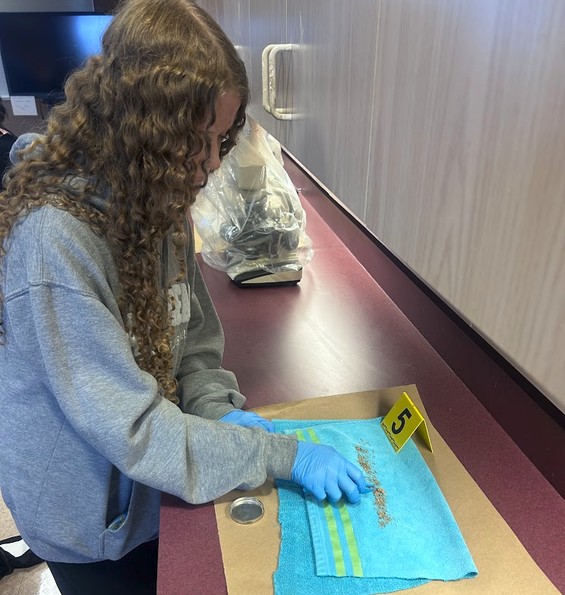
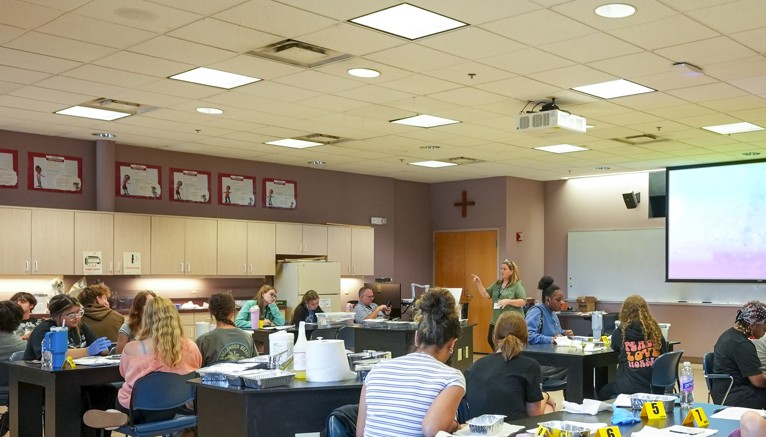
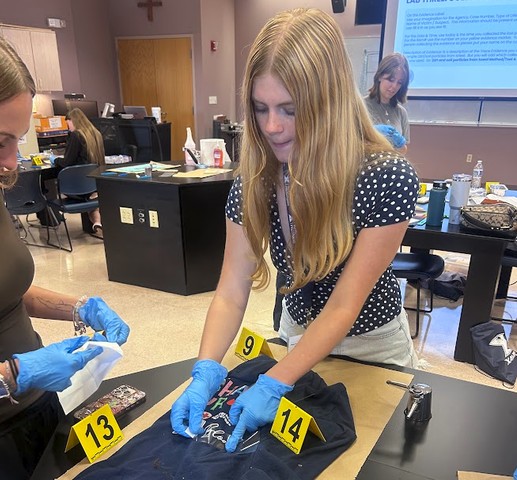 The Criminalistics Minor and Concentration provides students with a scientific foundation for the examination of physical evidence used in criminal and civil investigations. Through coursework in forensic science, biology, chemistry, and crime scene investigation, students learn how to recognize, document, collect, preserve, and evaluate evidence using accepted scientific methods.
Although Criminal Justice focuses on the criminal justice system and its institutions, Criminalistics emphasizes the scientific examination of physical evidence. Students learn how forensic science is used to reconstruct events, identify evidence, and support investigations through objective, evidence-based analysis.
Students develop knowledge and practical skills in:
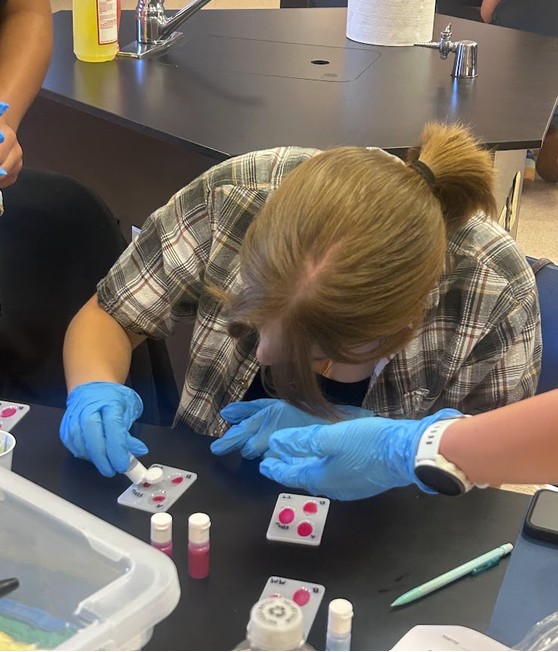
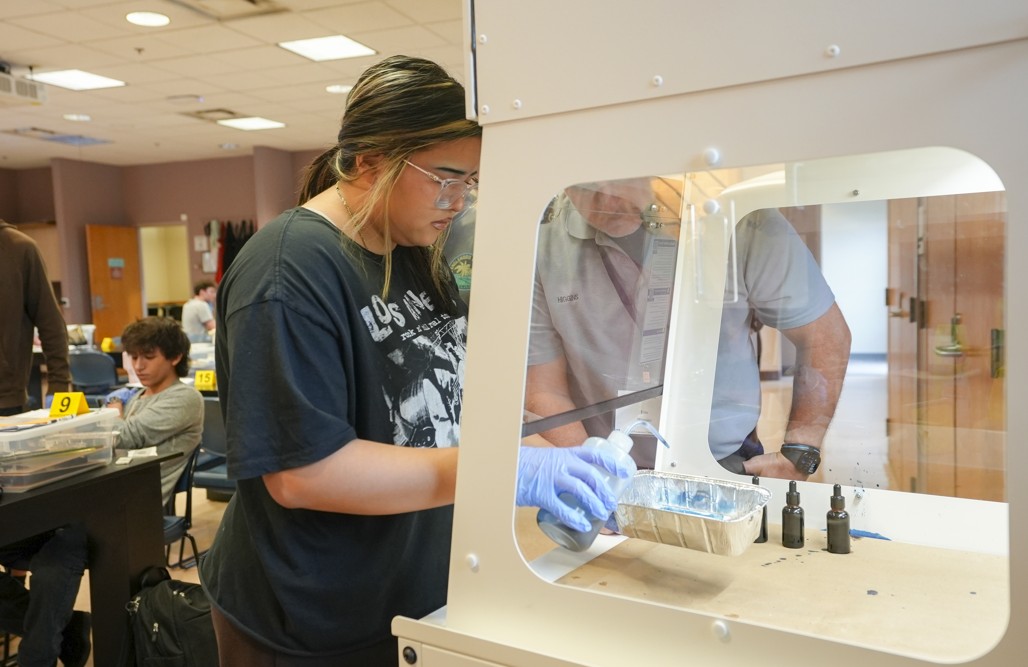
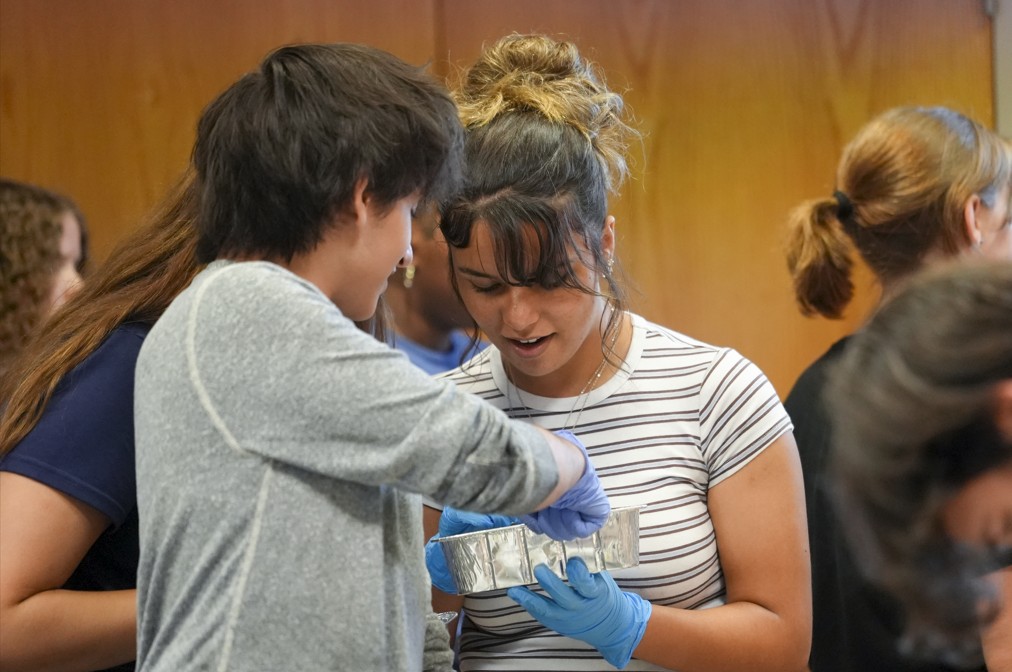
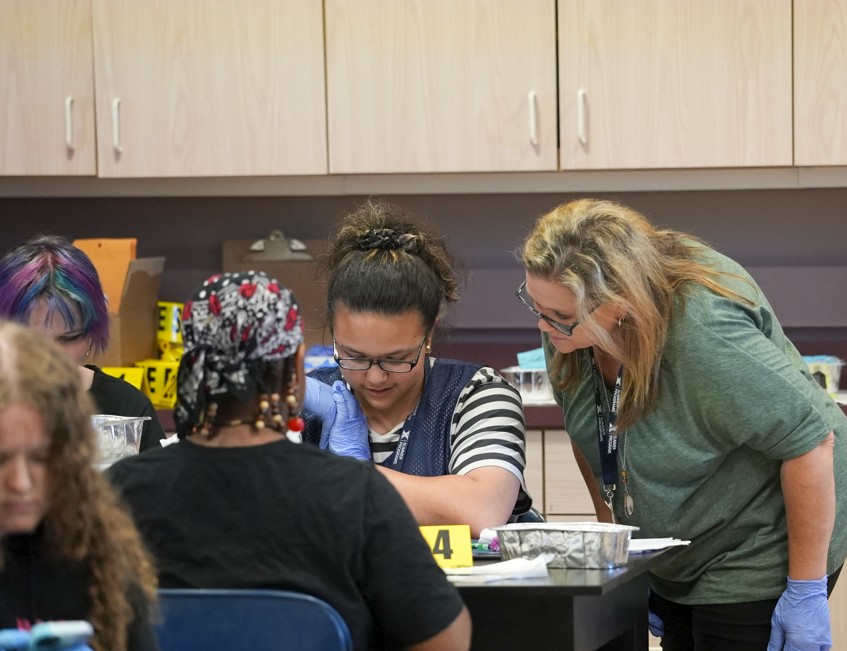
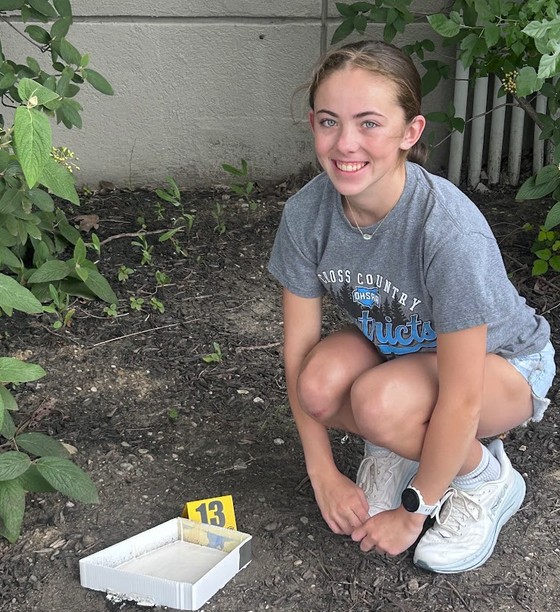
- Crime scene documentation, evidence recognition, and collection
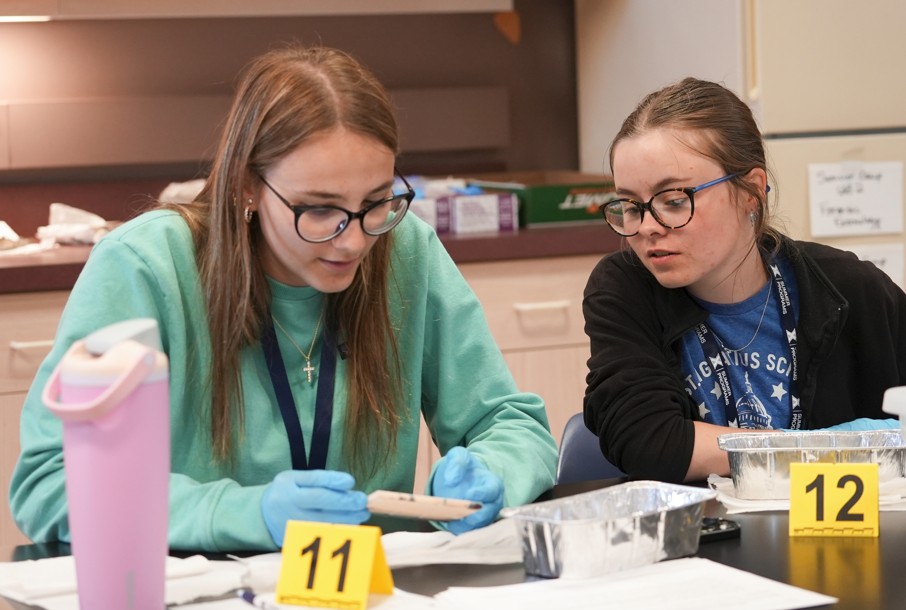
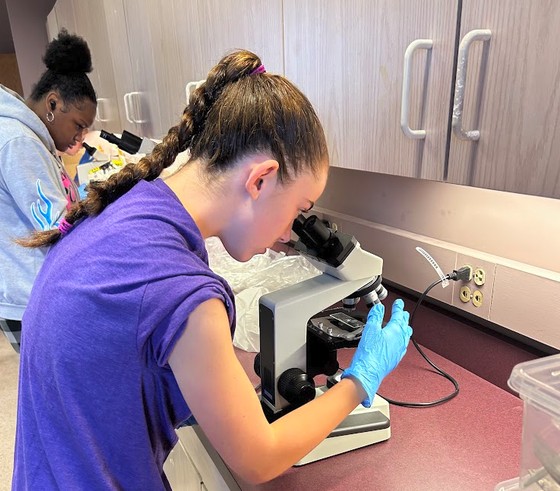
- Laboratory analysis of biological, chemical, and trace evidence
- Fingerprint, footwear, tire impression, bloodstain pattern, and other pattern evidence analysis
- Evidence preservation and chain of custody procedures
- Rules governing evidence admissibility in court
- Professional ethics and standards in forensic science
Why Choose a Criminalistics Minor/Concentration?
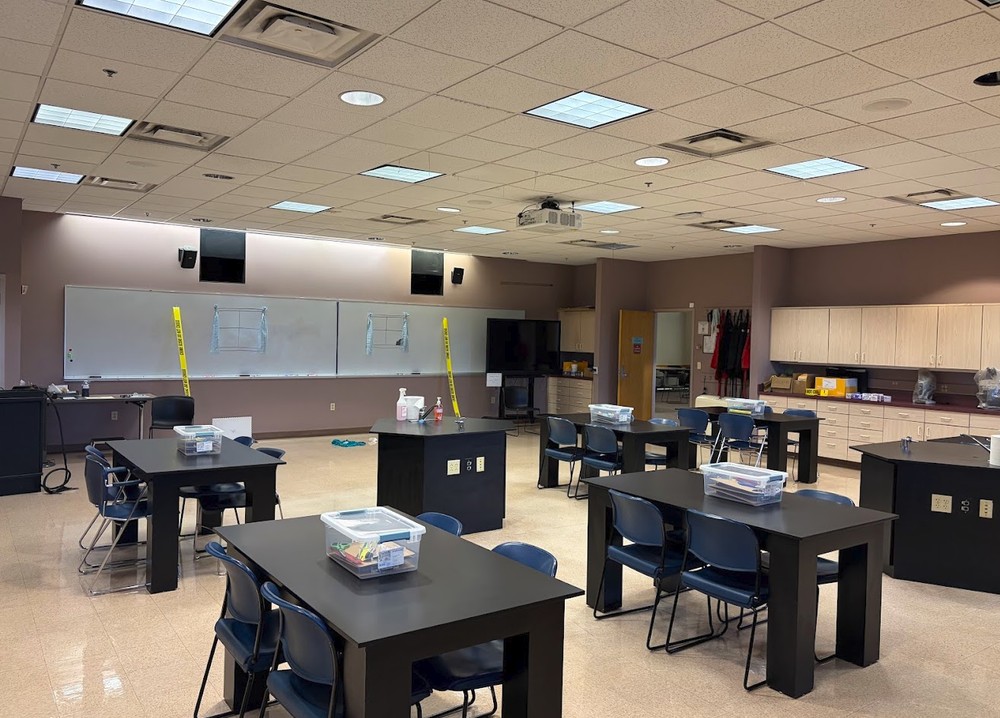
A Criminalistics Minor or Concentration complements a wide range of academic majors by providing specialized knowledge in forensic science and crime scene investigation. Students strengthen their analytical thinking, attention to detail, critical reasoning, and problem-solving skills while learning how scientific evidence supports criminal and civil investigations. The program emphasizes ethical decision-making and the proper handling of evidence to ensure its integrity throughout the legal process.For students who are not Criminal Justice majors, the Criminalistics Minor consists of the following required courses:
- CJUS 101 - Introduction to Criminal Justice
- CJUS 102 - Introduction to Law Enforcement
- CJUS 239 - Criminalistics I
- CJUS 439 - Criminalistics II
- CJUS 449 - Criminalistics III
For students who are Criminal Justice majors, the Criminalistics Concentration consists of the following required courses:
- CJUS 239 - Criminalistics I
- CJUS 439 - Criminalistics II
- CJUS 449 - Criminalistics III
The three Criminalistics courses can fulfill the nine elective Criminal Justice hours required for Criminal Justice majors.
Who Should Pursue this Minor/Concentration?
The Criminalistics Minor or Concentration is an excellent choice for students interested in applying science to criminal investigations. It complements majors such as:
- Biology
- Chemistry
- Biochemistry
- Criminal Justice (Criminalistics is a Concentration for Criminal Justice majors)
- Psychology
- Pre-Law
- Other science-related disciplines
- Students from any major with an interest crime scene investigation
Whether preparing for careers in forensic science, law enforcement, graduate school, or the legal profession, students gain valuable scientific knowledge and practical investigative skills that enhance a variety of career paths.
Meet the Criminalistics (Crime Scene Investigator) Instructor

Angela Keller brings more than 27 years of professional forensic experience to Xavier University. Prior to retiring in 2025 as Supervisor of the Covington Police Department Crime Laboratory, she processed hundreds of crime scenes, analyzed thousands of items of physical evidence, identified latent fingerprints, and provided expert testimony in district, circuit, and federal courts. She has been a member of the International Association for Identification since 2002 and has taught Criminalistics courses at Xavier University since 2018.
For more information about the Criminalistics Minor or Concentration, please contact:
Dr. Cheryl Lero Jonson
Chair, Department of Criminal Justice
jonsonc@xavier.edu
513-745-1069
Ms. Cathy Lee
Administrative Assistant, Department of Criminal Justice
leec29@xavier.edu
513-745-3518