Careers
Careers in Art, Design & Game Design
Creative careers require more than talent. Xavier students develop the technical abilities, creative thinking, communication skills, and professional experience needed to turn ideas into meaningful work.
Where Can an Art Degree Take You?
Our programs prepare students for careers across the arts, design, technology, entertainment, education, museums, media, and the broader creative economy. Each degree combines specialized technical training with the human skills employers consistently value: creativity, collaboration, communication, adaptability, and problem-solving.
Creatives Career Fair
The Creatives Career Fair is designed specifically for students pursuing careers in art, design, animation, game design, media, and other creative industries. Instead of asking creative students to fit themselves into a traditional career fair, this event brings the people, conversations, tools, and professional preparation of the creative world directly to them.
|
Meet
Creative ProfessionalsConnect with professionals working across creative industries, learn how they built their careers, and begin building your own network before graduation. |
Prepare
Get Career ReadyGet help with résumés and cover letters, talk with Career Services, and learn how to present yourself professionally within creative fields. |
Show
Present Your WorkReceive portfolio feedback, practice discussing your work with professionals, and begin learning how to translate creative projects into professional opportunities. |
More Than Employer Tables.
| • Creative industry networking | • Portfolio reviews |
| • Résumé and cover letter preparation | • Professional headshots |
| • Xavier Career Services assistance | • Conversations with creative professionals |
Because Creative Careers Work Differently.
Creative students need more than a résumé. They need strong portfolios, the ability to talk about their work, professional relationships, confidence presenting ideas, and an understanding of how creative industries actually operate. The Creatives Career Fair brings those pieces together in one experience.
Art
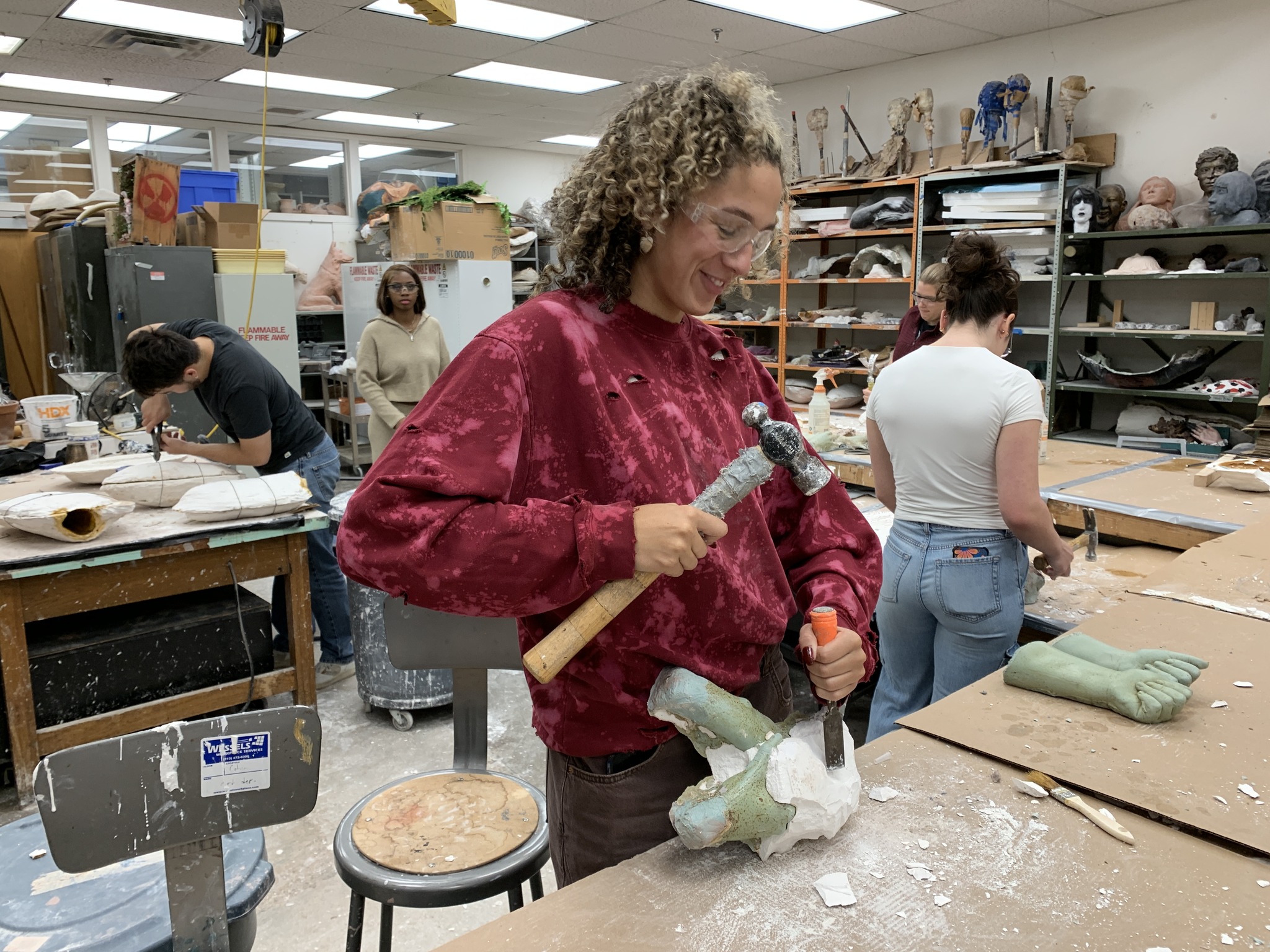
Art students learn by making, experimenting, researching, discussing, and developing an individual creative voice. Through studio practice and art history, students build a broad visual vocabulary while learning how to take an idea from its earliest stages through a resolved work, exhibition, or professional project.
Where Our Graduates Go
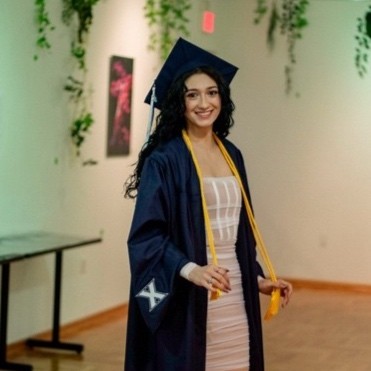
Xavier Art graduates build careers as artists, designers, educators, fabricators, community arts professionals, and creative entrepreneurs.
Aleni AntalisScenic Artist
Hargrove, LLC Aleni works as a scenic and fine artist, translating renderings and reference imagery into elaborate sets, backdrops, props, and custom paint treatments for clients nationwide. |

Isabelle MunafoCommunications & Outreach
Envision Partnerships Isabelle combines communications and outreach with a sculpture and installation practice focused on domestic violence, suicide prevention, and substance misuse. |

Kezia CopelandMFA, Art & Social Practice
Portland State University Kezia is pursuing a fully funded MFA in Art & Social Practice at Portland State University while continuing her creative practice as founder and lead designer of kvc studios. |

Hannah SmithLecturer of Digital Design & 3D Fabrication
University of Kentucky Hannah teaches digital design and 3D fabrication while managing the Fabrication Lab at the University of Kentucky's School of Art and Visual Studies. |
|
Careers
Where You Can GoStudio Artist · Illustrator · Photographer · Art Educator · Museum Professional · Curator · Gallery Professional · Arts Administrator · Exhibition Designer · Scenic Artist · Community Arts Coordinator · Art Director · Creative Entrepreneur |
Hard Skills
What You Can LearnDrawing · Painting · Sculpture · Ceramics · Photography · Digital Imaging · Printmaking · Composition · Color · Visual Analysis · Art History · Creative Research · Exhibition Installation · Portfolio Development · Studio Processes |
Soft Skills
How You'll WorkCreativity · Critical Thinking · Visual Problem-Solving · Curiosity · Self-Direction · Resilience · Communication · Collaboration · Adaptability · Time Management · Giving & Receiving Critique · Cultural Awareness |
Graphic Design
Graphic Design students learn to communicate ideas visually across print, digital, interactive, and emerging media. The program combines strong foundations in typography and visual communication with research, strategy, technology, experimentation, and professional practice.
Where Our Graduates Go
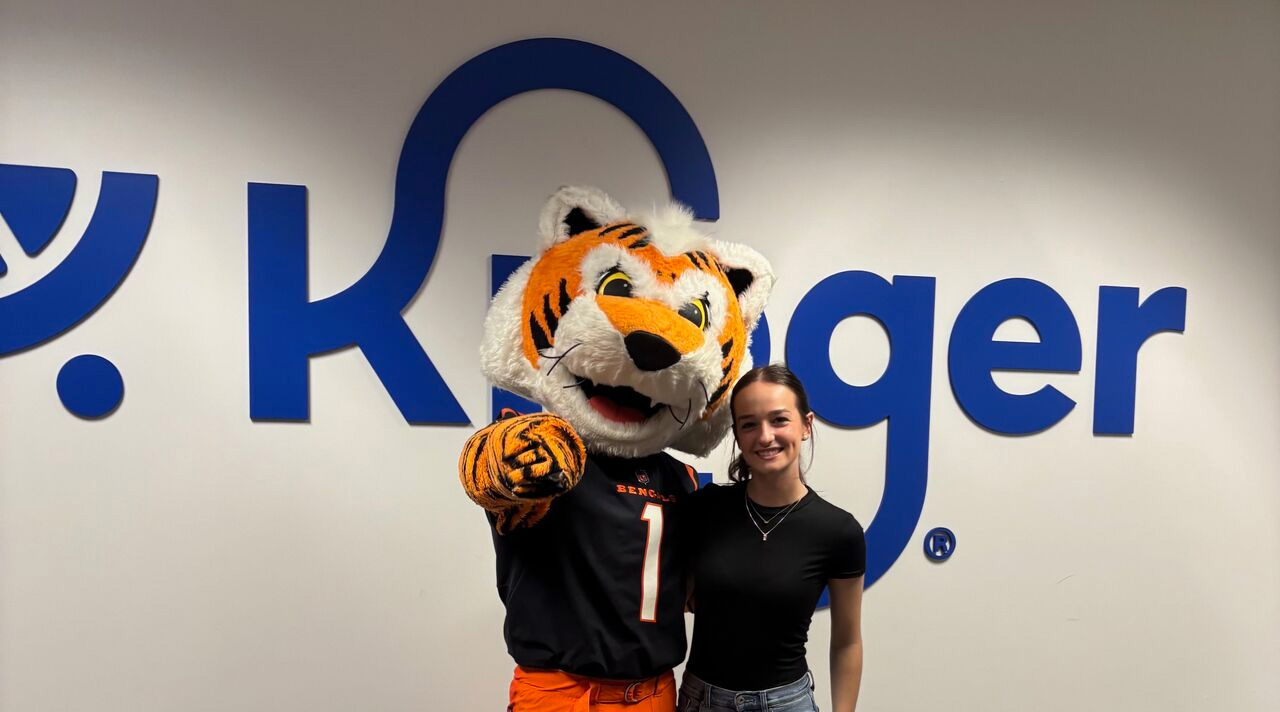
Xavier Graphic Design graduates are building careers across agencies, branding, digital design, interactive media, project management, marketing, music, and independent creative practice.

Sarah Hissong Smith '25Graphic Designer
DCC Marketing Sarah combines graphic design, marketing strategy, and project management to develop brand experiences and creative solutions for agency clients. |

Ashley KingAssociate Designer
CourtAvenue Ashley works across concepts, user flows, visual design, and prototypes, helping carry digital design projects from strategy through launch and optimization. |

Grace RomerIntake Project Manager & Graphic Designer
Cincinnati, Ohio Grace combines project management and graphic design with an independent creative practice that also includes writing and self-publishing. |
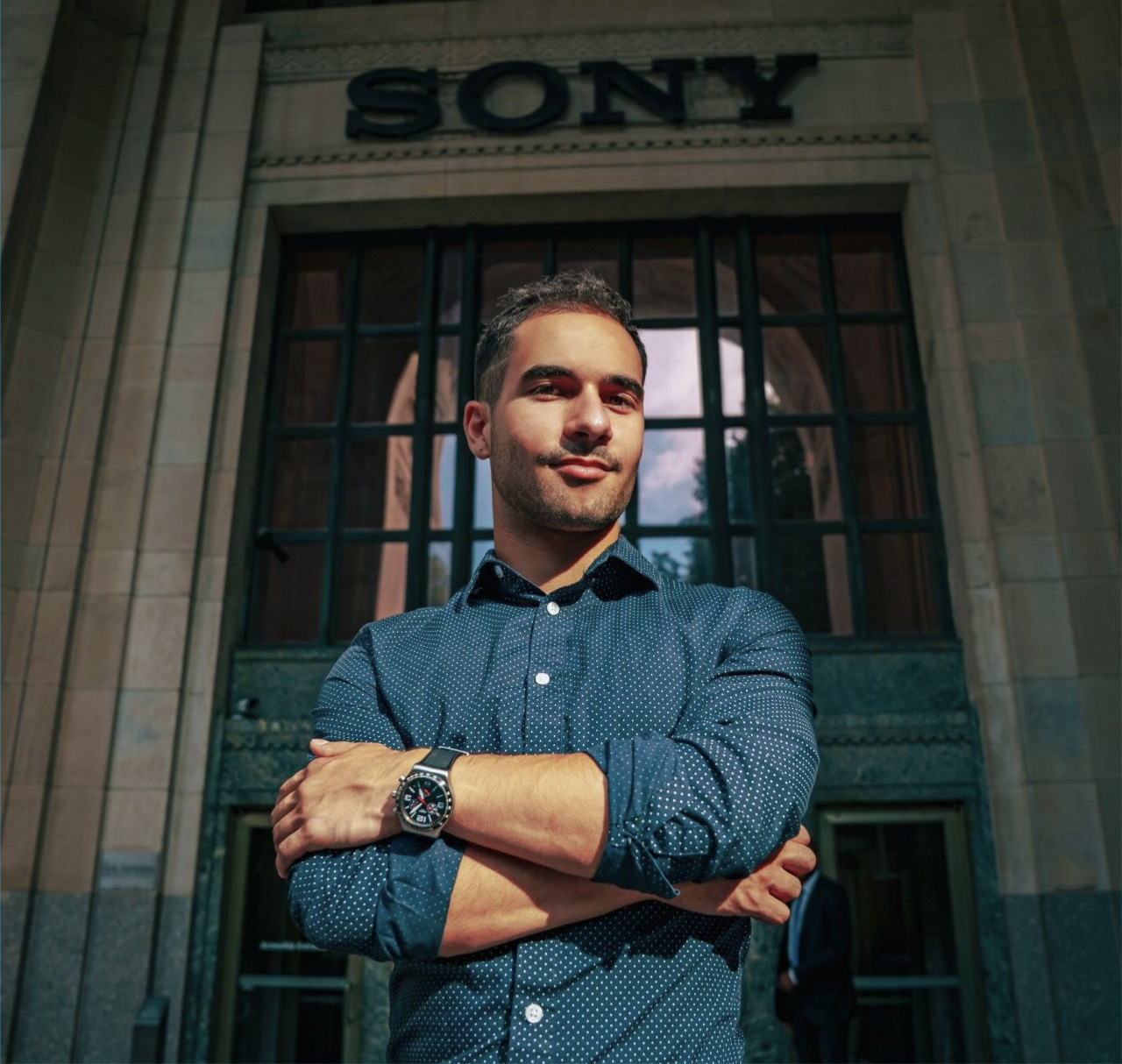
Nicholas NamyarArt & Design + Content Development Intern
Sony Music Entertainment Nicholas works at the intersection of art direction, content development, videography, and graphic design within the music and entertainment industry. |
|
Careers
Where You Can GoGraphic Designer · Brand Designer · Art Director · UI Designer · UX Designer · Web Designer · Motion Designer · Packaging Designer · Publication Designer · Environmental Designer · Information Designer · Marketing Designer · Creative Director |
Hard Skills
What You Can LearnTypography · Branding · Layout · Adobe Illustrator · Photoshop · InDesign · Motion Graphics · After Effects · UI/UX · Web Design · HTML · Packaging · Image Editing · Research · Ideation · Prototyping · Design Strategy · Presentation · Portfolio Development |
Soft Skills
How You'll WorkCreativity · Communication · Collaboration · Flexibility · Attention to Detail · Resilience · Time Management · Innovation · Entrepreneurial Thinking · Self-Direction · Curiosity · Client Empathy · Teamwork · Giving & Receiving Feedback |
3D Animation & Immersive Game Design

3D Animation & Immersive Game Design combines art, storytelling, design, and technology. Students learn to build characters, environments, animations, games, virtual experiences, and interactive worlds while developing the creative and technical problem-solving skills needed in rapidly evolving digital industries.
A New Program. A New Generation of Graduates.
Our 3D Animation & Immersive Game Design program is new, so our first alumni stories are still being written. Check back as graduates begin building careers in animation, games, immersive media, simulation, visualization, and emerging creative technologies.
|
Careers
Where You Can Go3D Artist · 3D Animator · Game Designer · Game Artist · Environment Artist · Character Artist · Technical Artist · Level Designer · VR/AR Designer · Immersive Experience Designer · VFX Artist · Visualization Artist · Unity Developer · Simulation Designer |
Hard Skills
What You Can Learn3D Modeling · Animation · Digital Sculpting · Texturing · Materials · Lighting · Rigging · Environment Design · Level Design · Unity · Blender · C# · Game Mechanics · VR/AR · Motion Capture · Real-Time Rendering · Asset Optimization · Prototyping · Playtesting |
Soft Skills
How You'll WorkCreative Problem-Solving · Systems Thinking · Collaboration · Communication · Iteration · Persistence · Adaptability · Technical Curiosity · Storytelling · Spatial Thinking · User Empathy · Project Management · Troubleshooting · Interdisciplinary Teamwork |
Learn to Make. Learn to Think. Learn to Adapt.
Technology will change. Industries will change. The ability to create, communicate, solve problems, and turn ideas into experiences will continue to matter.