
Fall 2026 Persistence Project
Call for Participants
Join your colleagues in adding a few specific practices to one of your classes and see what kind of difference it makes on student success and retention. Let's do this together!
SIGN UP HERE
Five Small Actions That Increase Student Success, Belonging, and Retention
Build a Foundation of Belonging
1. Communicate Belief - Communicate high expectations and confidence that every student can succeed.
2. Learn & Use Students’ Names - Use names and help students learn one another’s names.
3. Get to Know Students - Build relationships through meetings, surveys, or reflection activities.
Drive Performance through Equity and Clarity
4. Formative Feedback - Provide early, success-oriented feedback on an assignment or quiz and opportunities to improve.
5. TILT Two Assignments - TILT one assignment early and one later in the semester.
Featured Practice: Transparency in Learning and Teaching (TILT)
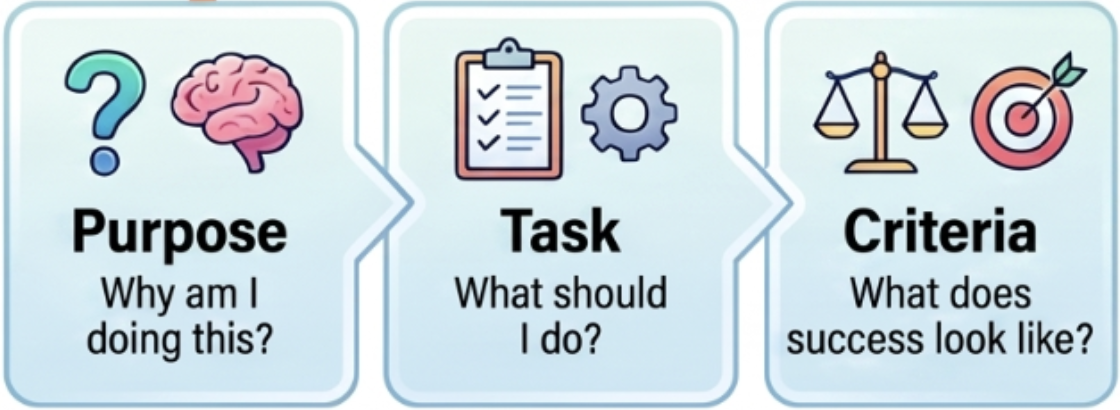
Process Step: Share TILTed assignment instructions with students → Collect feedback on clarity → Revise instructions before students begin.
Join us for free lunch & Community of Practice in the Hoff!
What's the Persistence Project?
With this project, we encourage faculty to experiment with evidence-based classroom practices that increase student learning and belonging. By joining this effort with your colleagues, you agree to:
- Integrate five specific activities into a single course during the first four weeks of the semester
- Complete a pre- and post-assessment to help the CTE measure results
In spring 2023, when the CTE first launched the Persistence Project, 118 faculty joined in. The results supported the importance of relationship-rich practices:
- Participating faculty indicated that most of the activities had significant or moderate impact on improvements in student engagement in their course.
- Students in Persistence Project courses reported a stronger relationship with their instructor, a stronger belief in their ability to succeed, and motivation to engage in class activities.
- Overall, the success rate for students in Persistence Project classes has been higher than in non-Persistence Project classes, particularly for first-year undergraduate students.
With the support from the Provost and college deans, the CTE invites all faculty, including those who joined the past semester, to participate in the Fall 2026 Persistence Project. Because of the positive impact on retention of first-year undergraduates, we are especially hopeful faculty teaching first-year students will participate. Together, let’s put forth collective effort in building relationships with and among students to support their learning and improve retention rate.
Or stay on this page to learn more
The project grew out of ideas shared by the CTE's fall 2022 speaker, Peter Felten. In his book, Relationship-Rich Education: How Human Connections Drive Success in College, Felten and co-author Leo Lambert write, “The beginning of each course marks a new opportunity for students to develop the kinds of purposeful relationships with faculty that will enhance motivation, learning, and belonging.”
Not only does creating relationships with every student align with our Jesuit value of cura personalis, but it also establishes a strong foundation for the class:
- Instructors can build on the existing relationship if students are struggling or need extra support
- Students may feel more comfortable speaking up in class
- Students may feel more motivated because they are validated by the instructor
- Instructors can emphasize topics and themes that students care about
We know lots of Xavier faculty already prioritize building strong relationships with students, and you may already do some of these activities. The goal of this project is to encourage more intentionality and to see what happens when faculty commit to these activities for ALL students within a class.
Every instructor who signs on to the project will commit to completing these 5 activities within the first 4 weeks of a single course. The activities are described in more detail below, or find strategies for implementing each activity.
- Communicate your belief that all students can succeed in your class
- Learn and use all students' names and have students learn each other's names
- Give formative, success-oriented feedback
- Get to know who your students are beyond the classroom
- TILT 2 assignments
These research-informed practices are based on a similar project at Oakton Community College, which Felten and Lambert discuss in Relationship-Rich Education. Oakton saw an average 24% increase in student retention rates and also increased faculty satisfaction among participants.
Activity 1: Communicate your belief that all students can succeed in your class.
The goal is to set clear, high academic standards, while also sending a clear message that students who struggle are not doomed. This can include language on the syllabus and policies like flexible deadlines, no harsh penalties for minor issues, etc, as well as verbal reinforcement that every student has the potential to succeed in your class.
Activity 2: Learn and use all students’ names and have students learn (and use) each other’s names.
We know that most faculty already commit to learning and using student names but may not be as intentional about helping students learn each other's names. You don't have to memorize names to build strong relationships: research has shown that having students make and use name tents, and faculty calling on students by name, is correlated to significant positive results on student learning and motivation.
Activity 3: Give formative, success-oriented feedback.
Faculty can choose from the following options to best integrate this step within the first four weeks of the semester:
- Give written feedback on an assignment or quiz
- Meet with students to share feedback on an assignment or quiz
Activity 4: Get to know who your students are beyond the classroom.
Faculty can choose from the following options to best integrate this step into the class within the first four weeks of the semester:
- Hold a 15-minute "get-to-know-you" conference with every student. The goal of this meeting is to learn about your students beyond their class work, so is different from a meeting to provide feedback on an assignment.
- Have students complete a non-graded “get-to-know-you” activity in or after the first-class; some ideas include a “This I Believe” essay or “Where I’m From” exercise (find more information and templates on the strategies page).
Activity 5: Transparency in Learning and Teaching (TILT)
Following Mary-Ann Winkelmes' Transparency in Learning and Teaching (TILT) workshop last Spring (2026) and related discussions within our Center for Teaching Excellence (CTE) leadership last year, the CTE has decided to expand the Persistence Project by adding a fifth faculty requested action. In addition to the existing Persistence Project practices, participating faculty will now be encouraged to TILT two course assignments, one during the first four weeks of the semester, and another later in the semester.
The TILT framework involves increasing assignment transparency by more clearly communicating:
- The purpose of the assignment
- The tasks students are expected to complete
- The criteria for success
Faculty members revise assignments using this framework, gather student feedback regarding assignment clarity and understanding, and then make any needed revisions. Research has shown that transparent assignment design can positively impact student engagement, success, and retention.
- Transparency in Learning and Teaching (TILT)
- Handout: Introduction to TILT (Transparency in Learning and Teaching) Handout
- CTE Spring Keynote (recording coming)
The CTE will arrange weekly Community of Practice lunches for the first four weeks of the project, for participants to discuss and exchange ideas and experiences. Dates/times will be announced later. Examples of specific strategies used successfully by colleagues who participated last semester are also great resources for ideas to implement in your class.