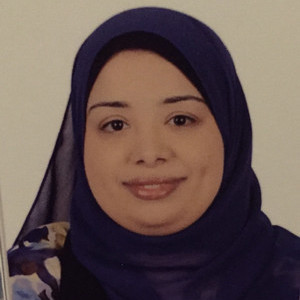
Noha Elgendy, PhD
Assistant Professor, Division of Pharmacology, Microbiology, and Immunology
I earned my Bachelor of Pharmacy degree from Ain Shams University in Egypt. I then completed my M.Sc. and Ph.D. in Microbiology and Immunology at Ain Shams University. During my postdoctoral work, I developed experience in microbiome research and bioinformatic analysis of gut, oral, and urine microbiome datasets.
Research Interests
I am interested in understanding how microbial communities in the body are related to immune-mediated diseases and other conditions involving inflammation and infection.
Much of my work focuses on the gut, oral, and urine microbiomes. I study how these microbial communities differ between individuals and how they may be influenced by host factors such as immune status, genetics, infection, medication use, and clinical characteristics. My long-term goal is to better understand how host–microbiome interactions contribute to disease risk and health outcomes.
In my lab, students can expect to learn the following research skills:
Microbiome data analysis
Bioinformatic analysis of sequencing data
Microbial diversity and community composition analysis
Basic statistical analysis of biomedical and clinical datasets
Literature review and scientific question development
Study design for microbiome-related research
I earned my Bachelor of Pharmacy degree from Ain Shams University in Egypt. I then completed my M.Sc. and Ph.D. in Microbiology and Immunology at Ain Shams University. During my postdoctoral work, I developed experience in microbiome research and bioinformatic analysis of gut, oral, and urine microbiome datasets.
Research Interests
I am interested in understanding how microbial communities in the body are related to immune-mediated diseases and other conditions involving inflammation and infection.
Much of my work focuses on the gut, oral, and urine microbiomes. I study how these microbial communities differ between individuals and how they may be influenced by host factors such as immune status, genetics, infection, medication use, and clinical characteristics. My long-term goal is to better understand how host–microbiome interactions contribute to disease risk and health outcomes.
In my lab, students can expect to learn the following research skills:
Microbiome data analysis
Bioinformatic analysis of sequencing data
Microbial diversity and community composition analysis
Basic statistical analysis of biomedical and clinical datasets
Literature review and scientific question development
Study design for microbiome-related research